In the evolving landscape of urban development, cities worldwide are increasingly recognizing the transformative power of art-driven wayfinding systems. Moving beyond mere functionality, these systems merge practicality with aesthetic innovation, redefining how residents and visitors interact with urban spaces. The integration of artistic elements into signage not only enhances navigational efficiency but also cultivates a unique sense of place, turning mundane journeys into immersive cultural experiences.
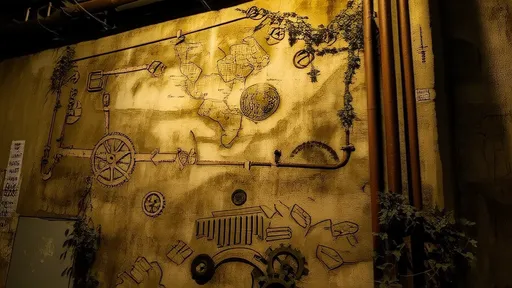
Art-oriented urban signage represents a significant departure from traditional, utilitarian designs that prioritize clarity over creativity. Historically, city wayfinding relied on standardized symbols, straightforward typography, and high-contrast colors to ensure quick comprehension. While effective, this approach often resulted in bland, impersonal environments that failed to reflect a city's character. Today, forward-thinking municipalities are collaborating with artists, designers, and local communities to create systems that are both intuitive and inspiring. These projects weave storytelling, cultural references, and artistic expression into the fabric of daily navigation, fostering a deeper connection between people and their surroundings.
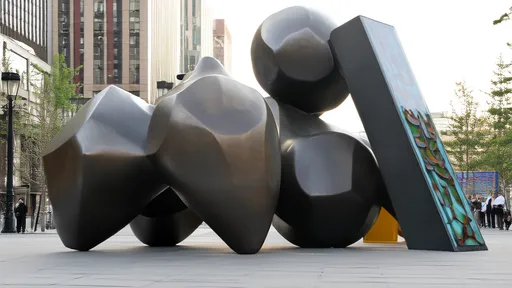
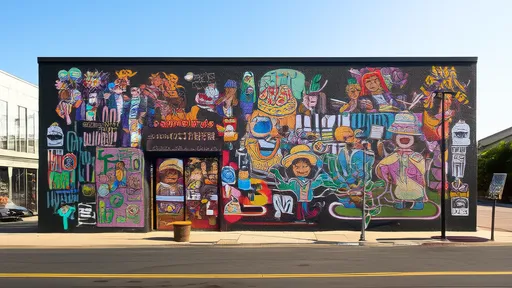
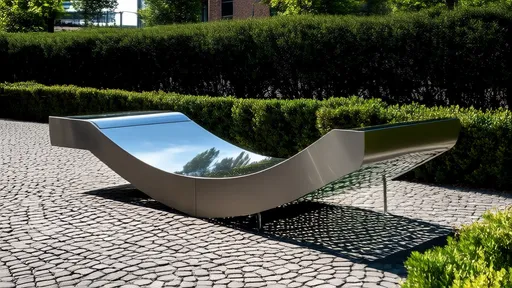
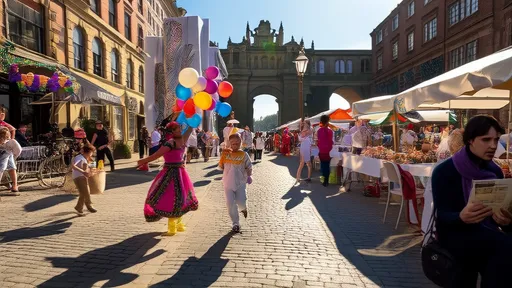
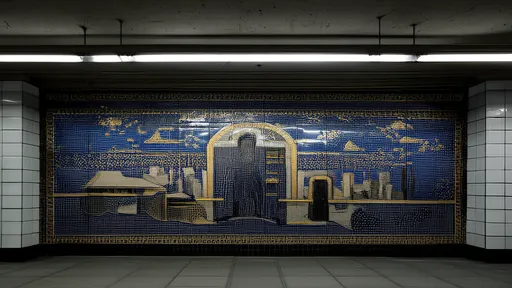
The functional benefits of these systems are undeniable. Well-designed artistic signage improves spatial orientation, reduces confusion, and promotes walkability, which in turn supports local economies and reduces environmental footprints. However, the true innovation lies in how aesthetics amplify these functions. For instance, incorporating murals, sculptures, or interactive digital elements into signage can make landmarks more memorable, aiding recall and ease of movement. Cities like Melbourne, with its intricate laneway art, and Tokyo, where vibrant neighborhood-specific themes guide pedestrians, exemplify how beauty and utility can coexist seamlessly.
Moreover, art-infused wayfinding serves as a platform for cultural expression and community engagement. By featuring local artists' work or drawing inspiration from regional history and folklore, these systems celebrate identity and diversity. They transform public spaces into open-air galleries, encouraging dialogue and a shared sense of ownership among citizens. In districts undergoing revitalization, such initiatives can spark economic renewal, attracting tourists and fostering pride. The process itself often involves participatory design, where residents contribute ideas, ensuring the outcome resonates authentically with those who use it daily.
Technological advancements have further expanded the possibilities for artistic signage. Digital displays, augmented reality interfaces, and responsive installations can adapt in real-time to user needs or environmental conditions, offering dynamic, context-aware guidance. These technologies enable personalized experiences—such as highlighting accessible routes or providing historical anecdotes—while maintaining a cohesive aesthetic vision. However, balancing innovation with inclusivity remains crucial; designs must remain accessible to all, regardless of age, ability, or tech proficiency.
Despite the clear advantages, implementing art-oriented systems presents challenges. Budget constraints, maintenance concerns, and the need for interdisciplinary collaboration can complicate projects. Ensuring consistency across a city while allowing for neighborhood-specific flair requires careful planning and stakeholder alignment. Yet, cities that have embraced this approach report measurable benefits: enhanced public satisfaction, increased foot traffic, and stronger cultural branding. As urban populations grow and the demand for livable, engaging spaces intensifies, the fusion of art and wayfinding is poised to become a cornerstone of future city planning.
In conclusion, the shift towards art-driven urban signage marks a holistic reimagining of how cities communicate with their inhabitants. By elevating functionality through aesthetics, these systems do more than direct—they inspire, connect, and transform. As this trend gains momentum, it promises to make our urban environments not only easier to navigate but richer to experience, proving that in the dance between form and function, both can lead.
By /Aug 28, 2025
By /Aug 28, 2025
By /Aug 28, 2025
By /Aug 28, 2025
By /Aug 28, 2025
By /Aug 28, 2025
By /Aug 28, 2025
By /Aug 28, 2025
By /Aug 28, 2025
By /Aug 28, 2025
By /Aug 28, 2025

By /Aug 28, 2025

By /Aug 28, 2025
By /Aug 28, 2025

By /Aug 28, 2025
By /Aug 28, 2025

By /Aug 28, 2025
By /Aug 28, 2025
By /Aug 28, 2025
By /Aug 28, 2025
